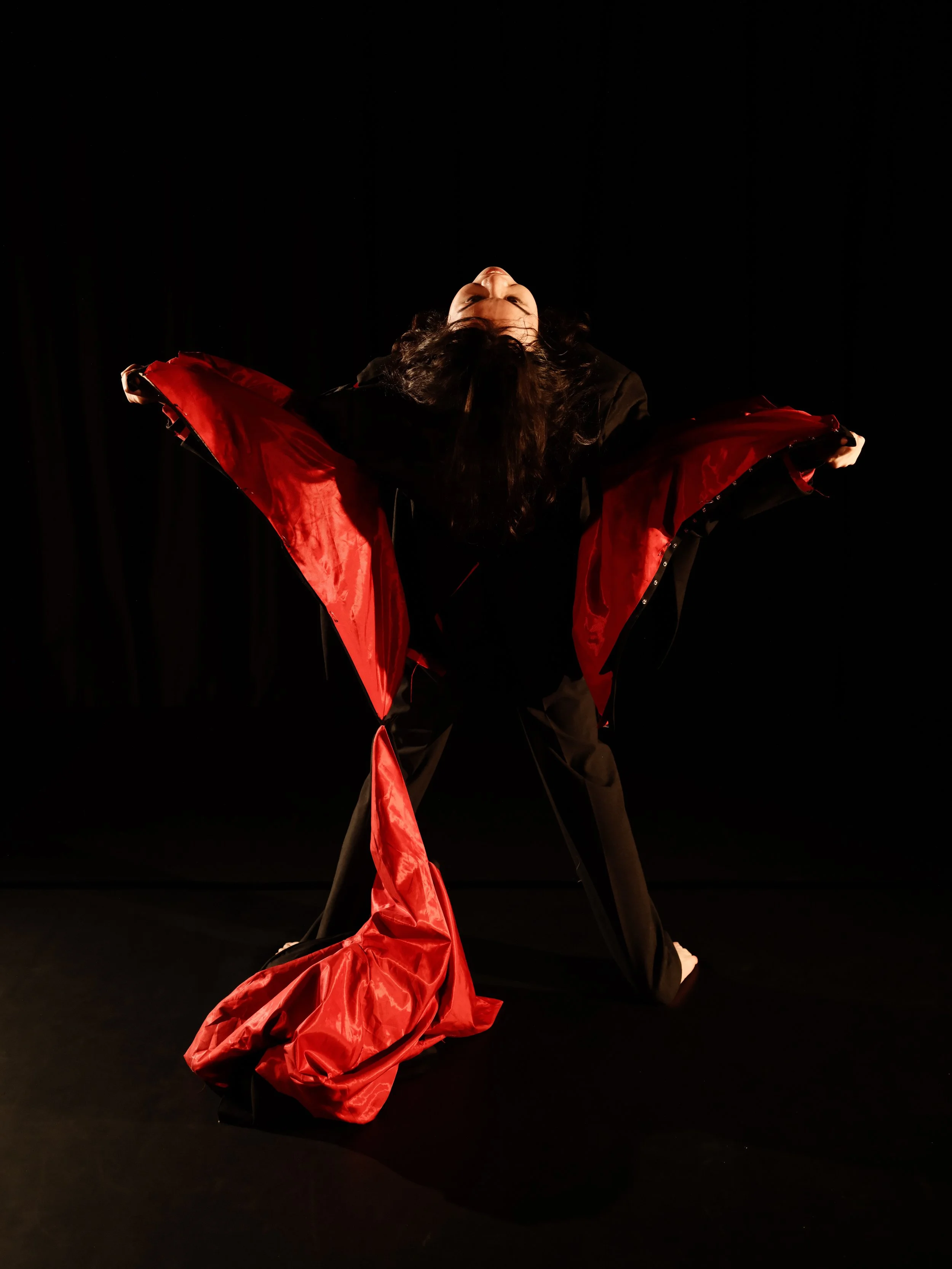
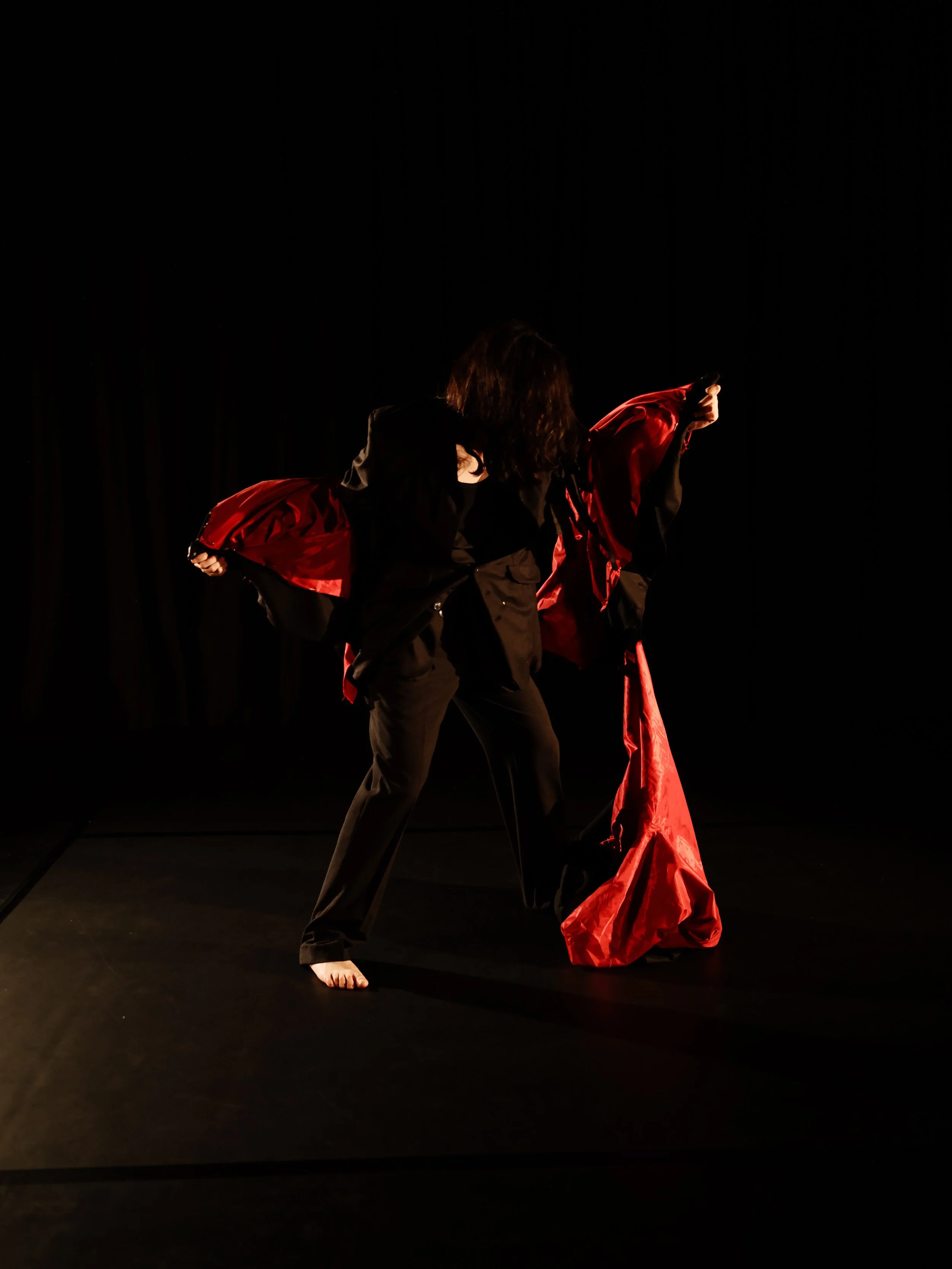
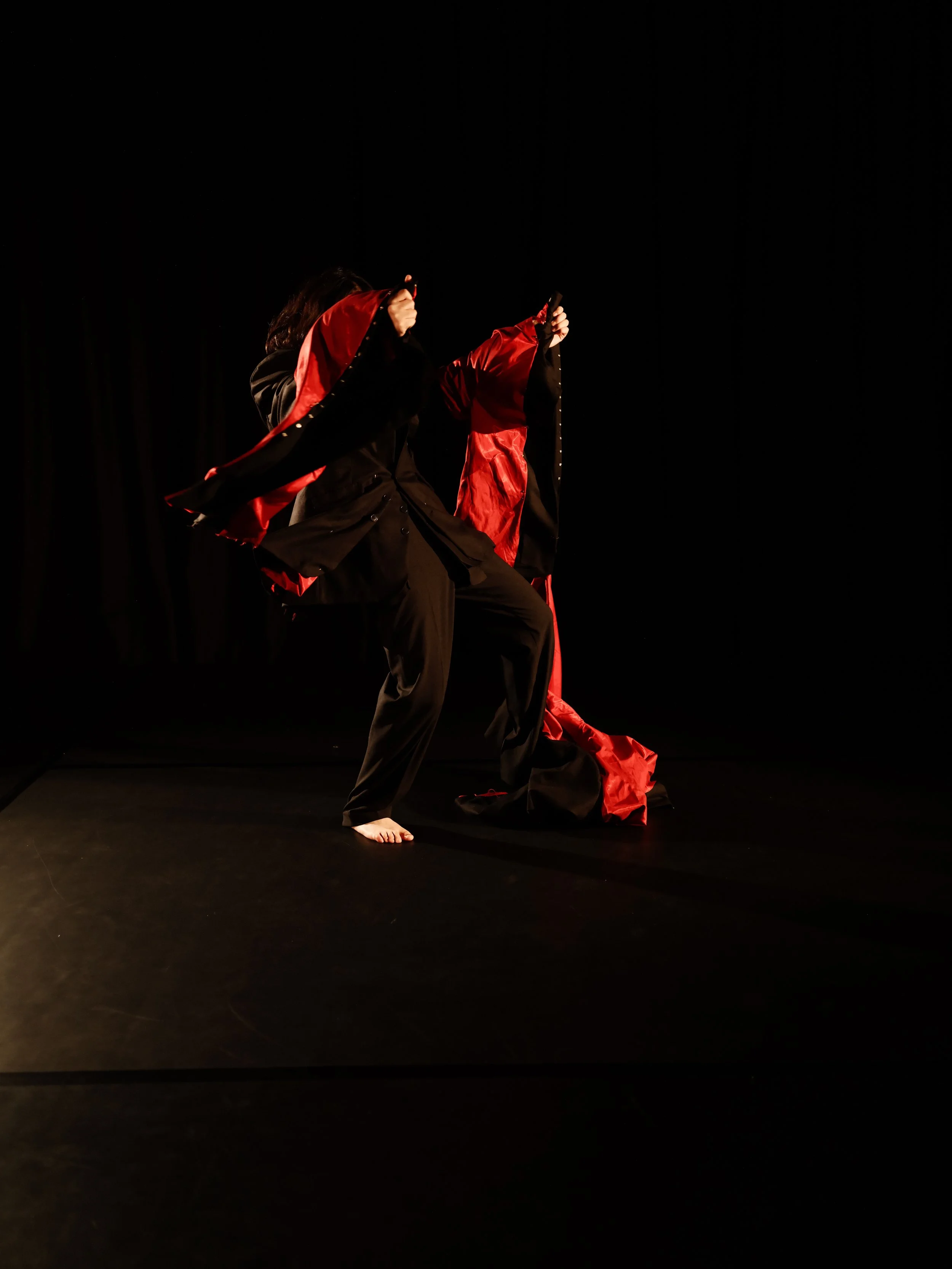
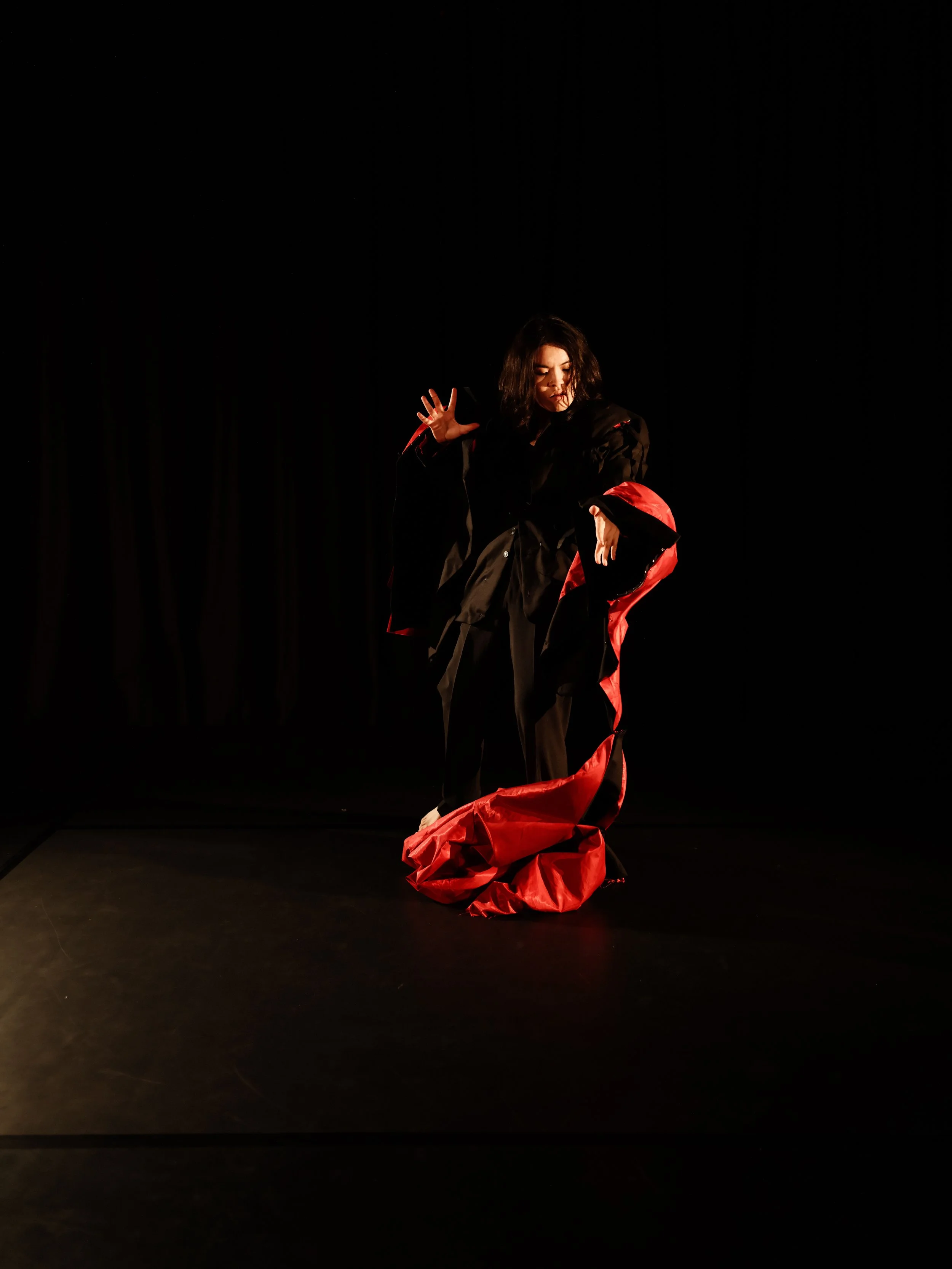
Rusalka
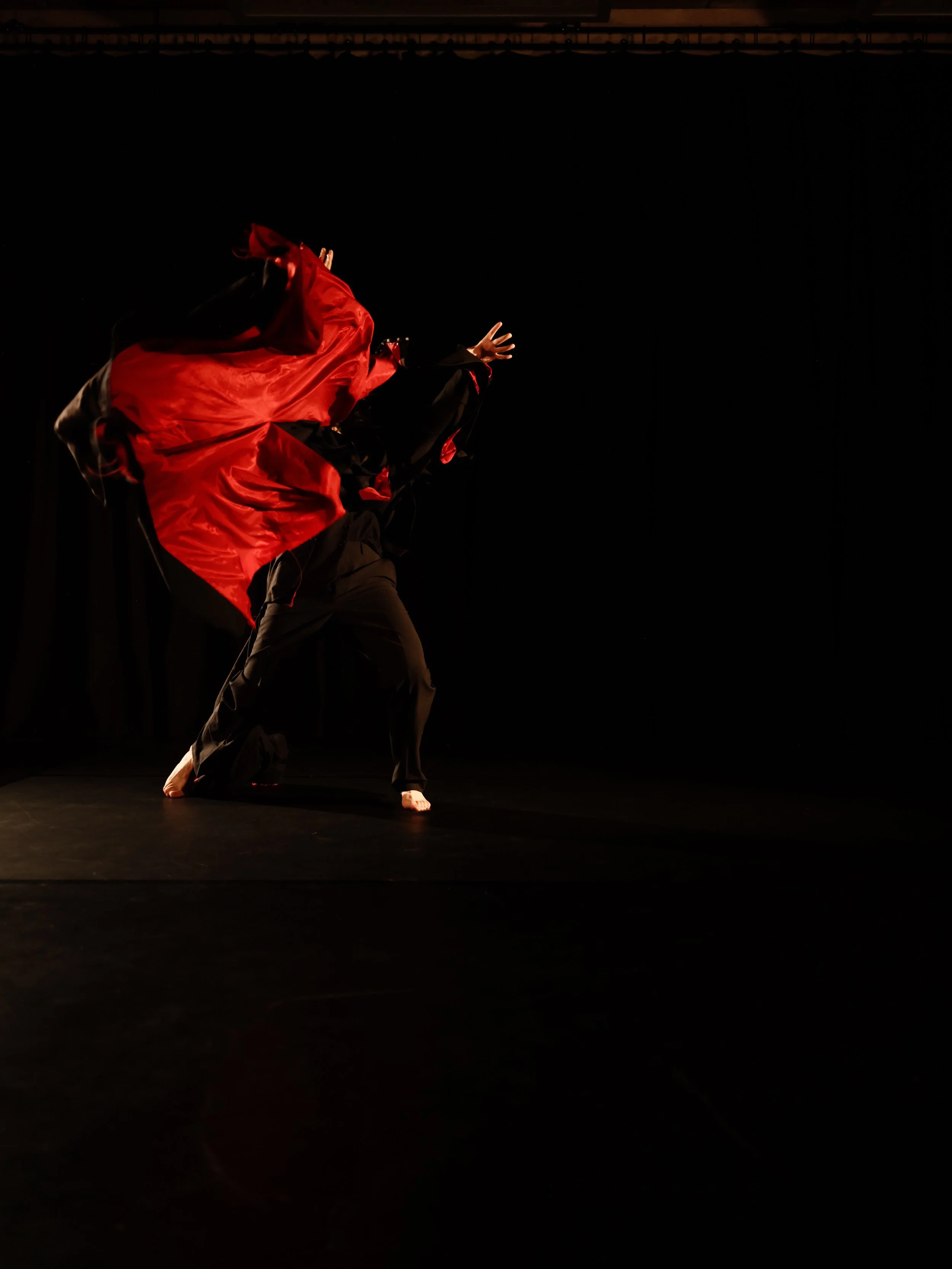
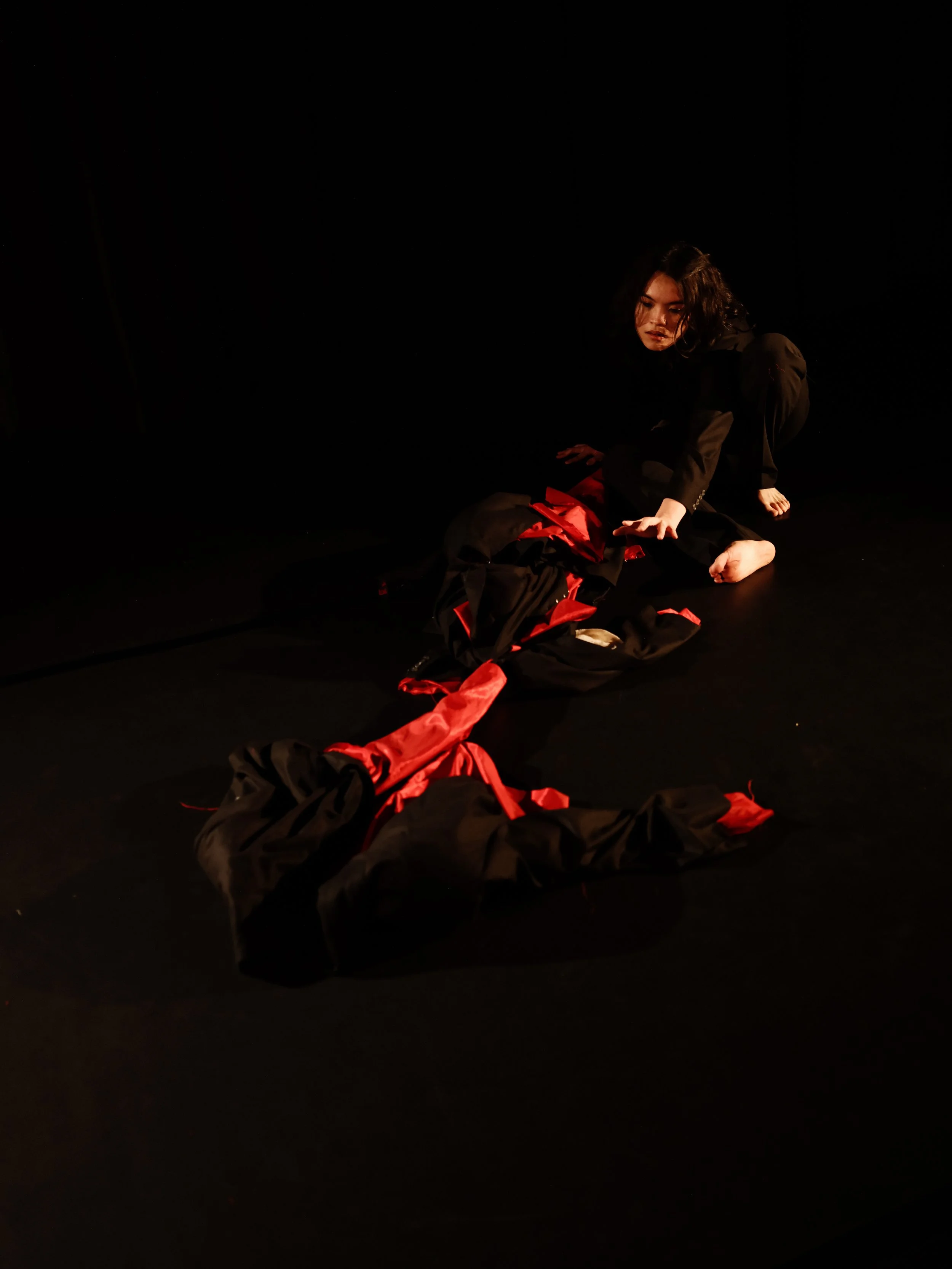
Rusalka's world of water nymphs and folklore prompted me to explore what it means to be human in a society increasingly disconnected from nature. The opera became a lens through which to examine our exploitative relationship with the natural world, Rusalka and her realm representing the antithesis of capitalist growth and environmental disregard.
The interconnectedness of the opera's non-human characters led me to the mycelium network as a central concept; a vast, cooperative web of life that communicates, shares and sustains. This became the symbolic language of Rusalka's world: collective, balanced, and in harmony with its ecosystem.
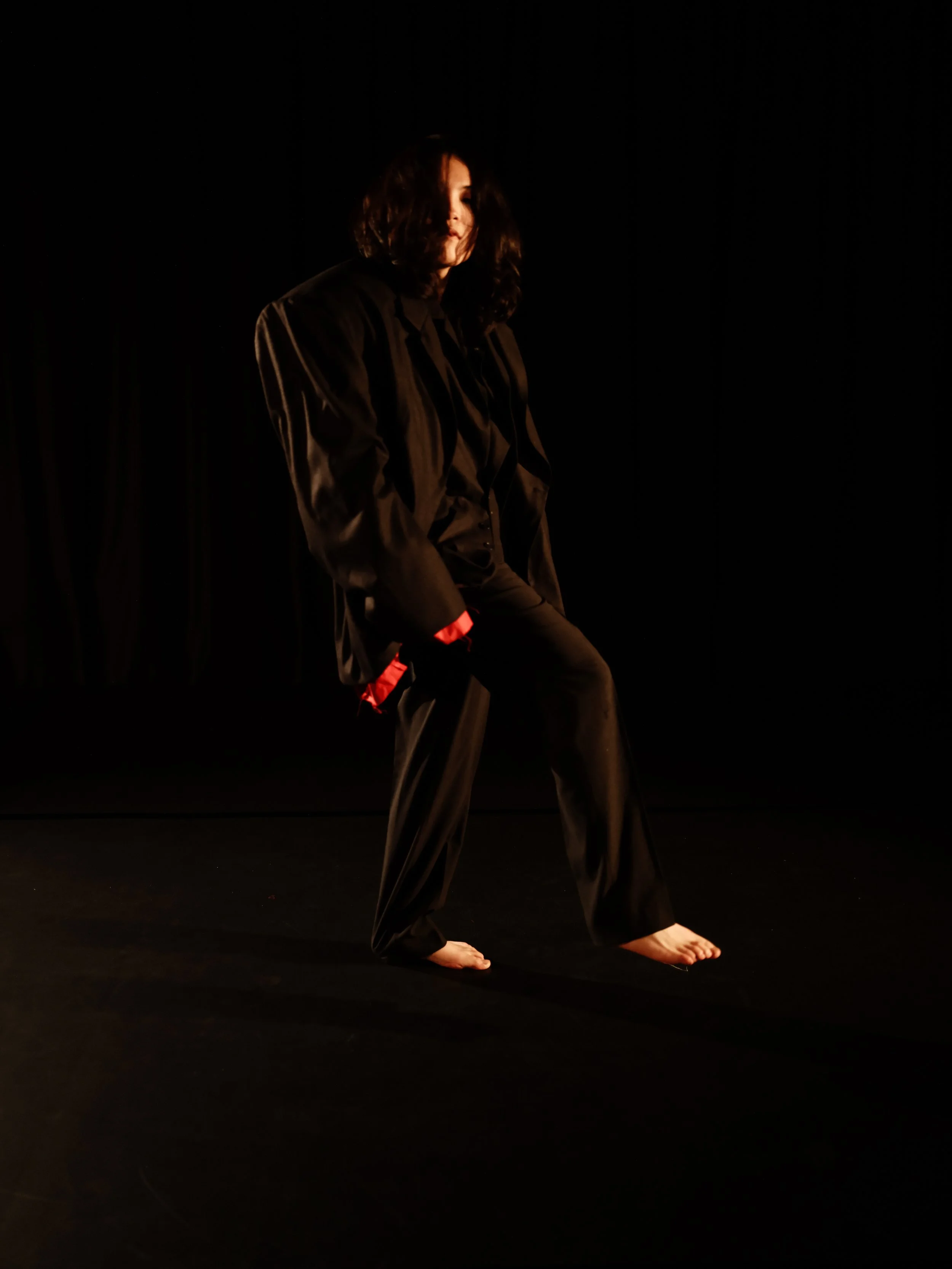
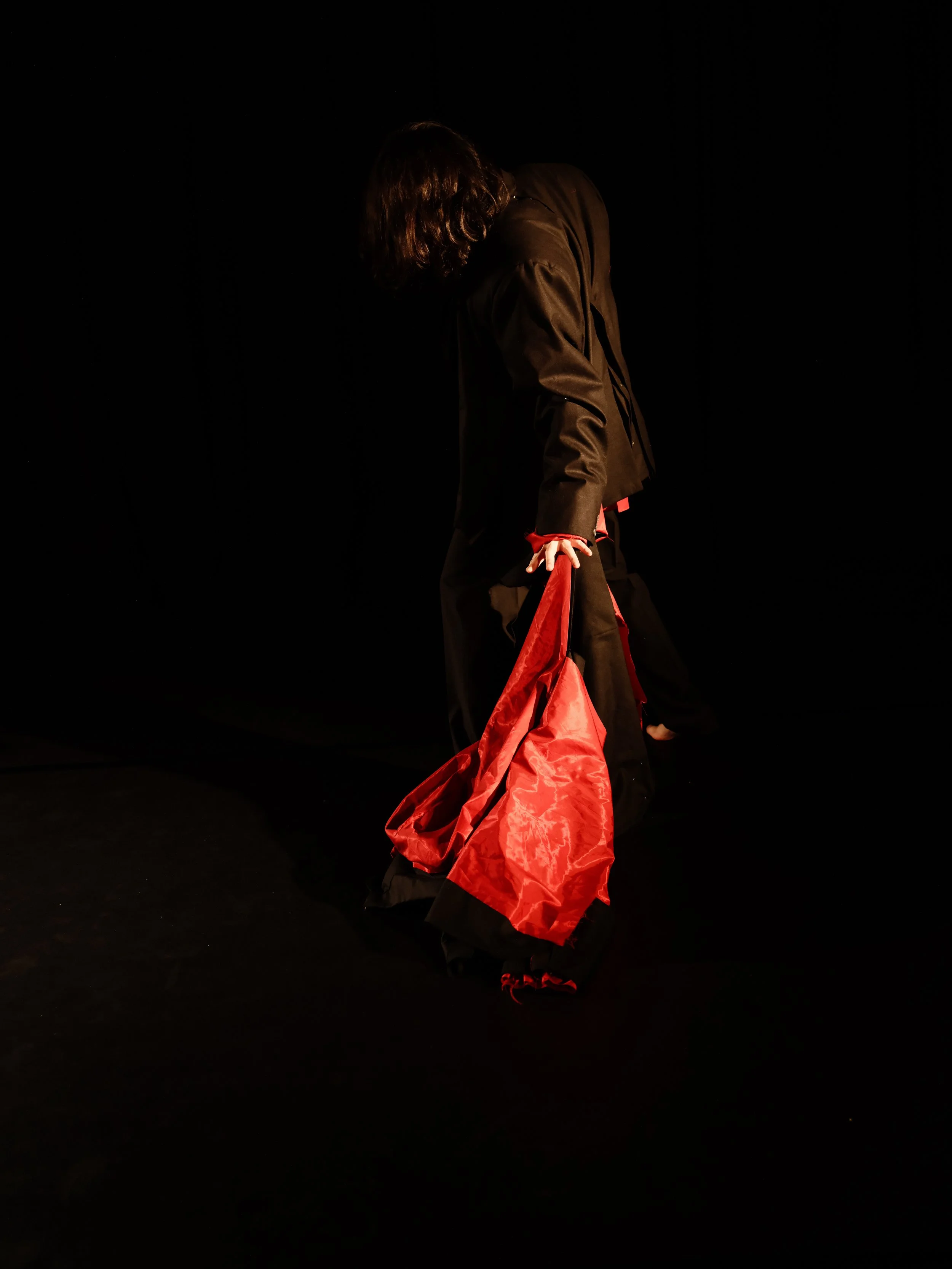
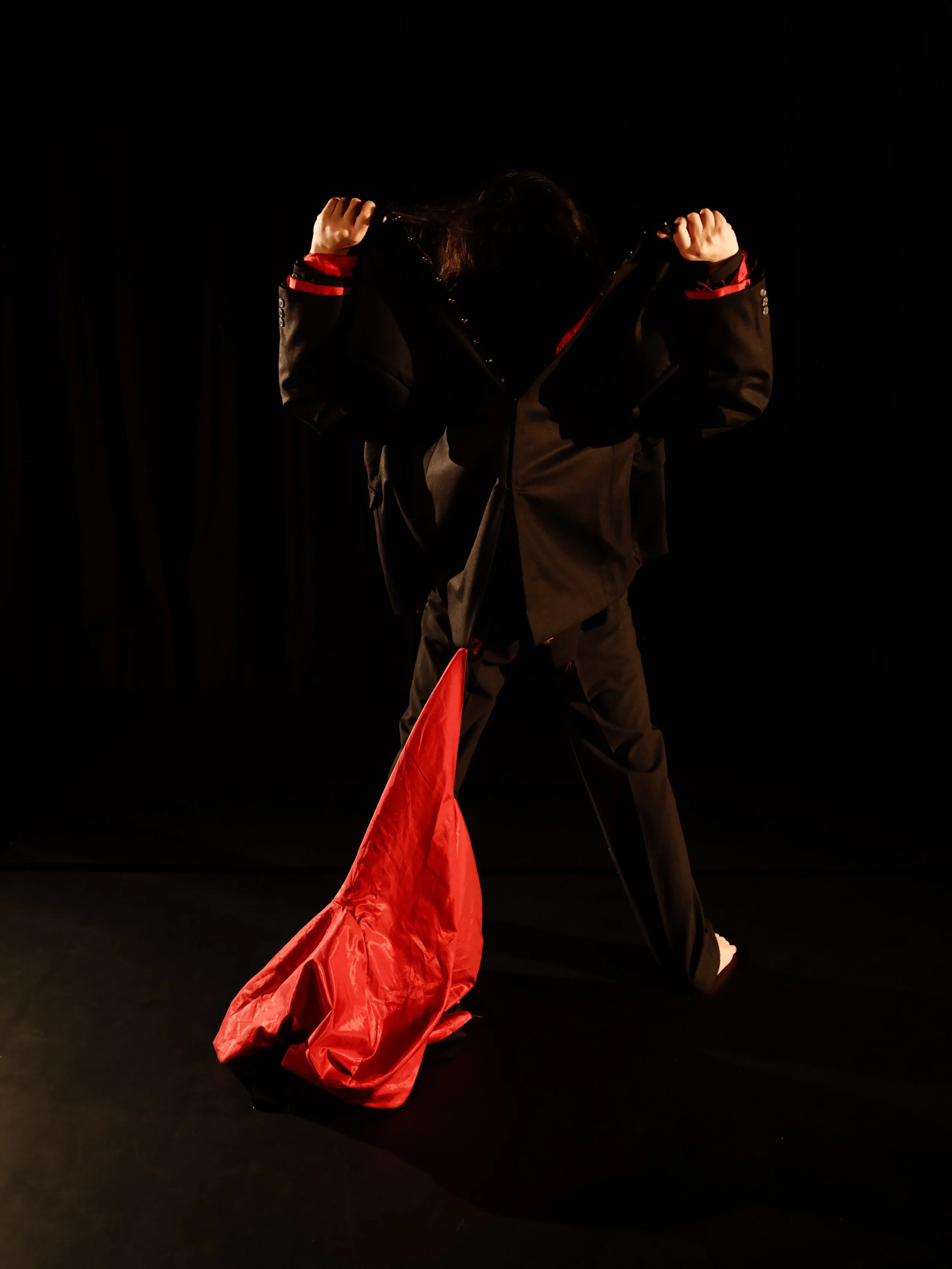
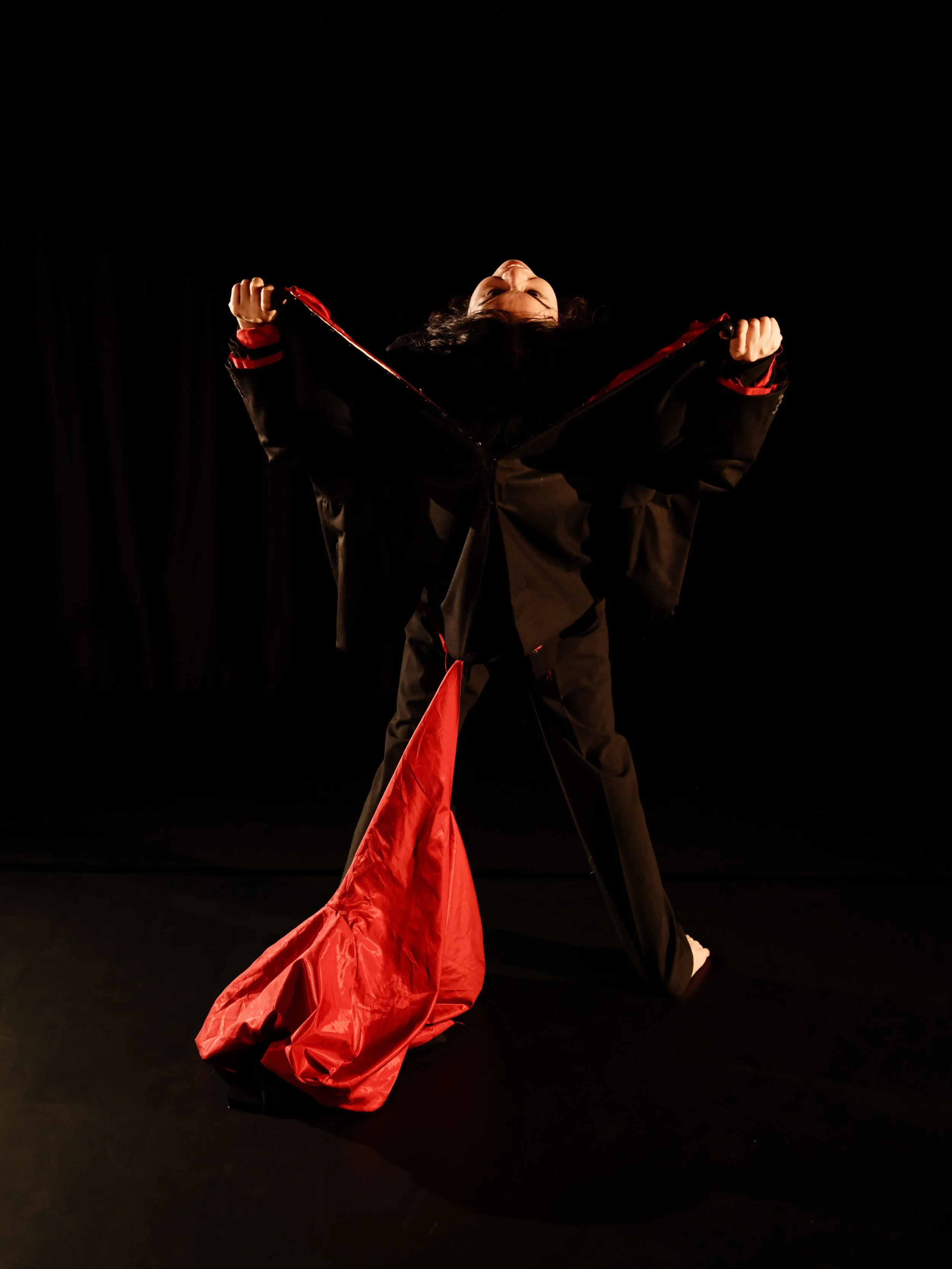
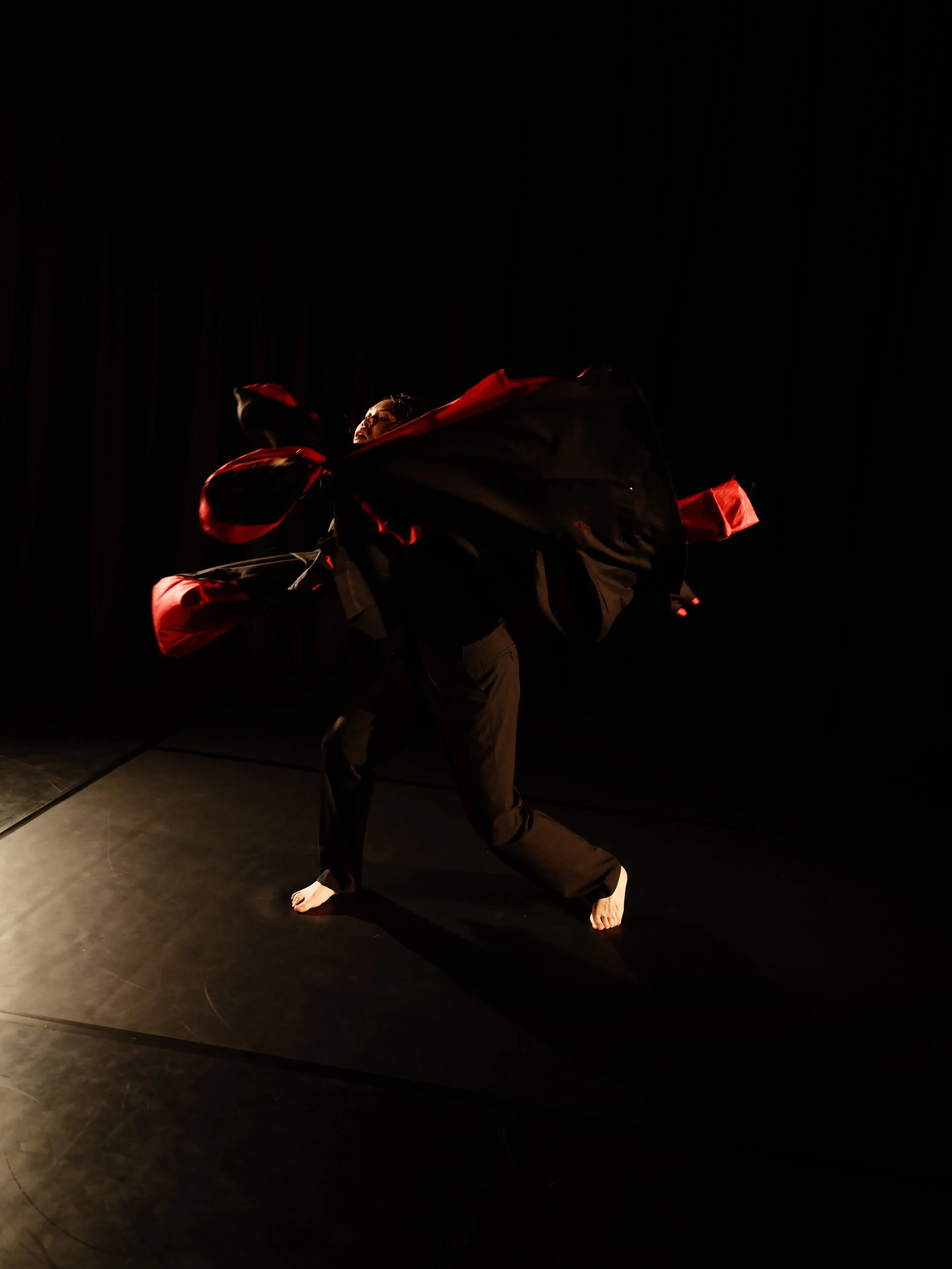
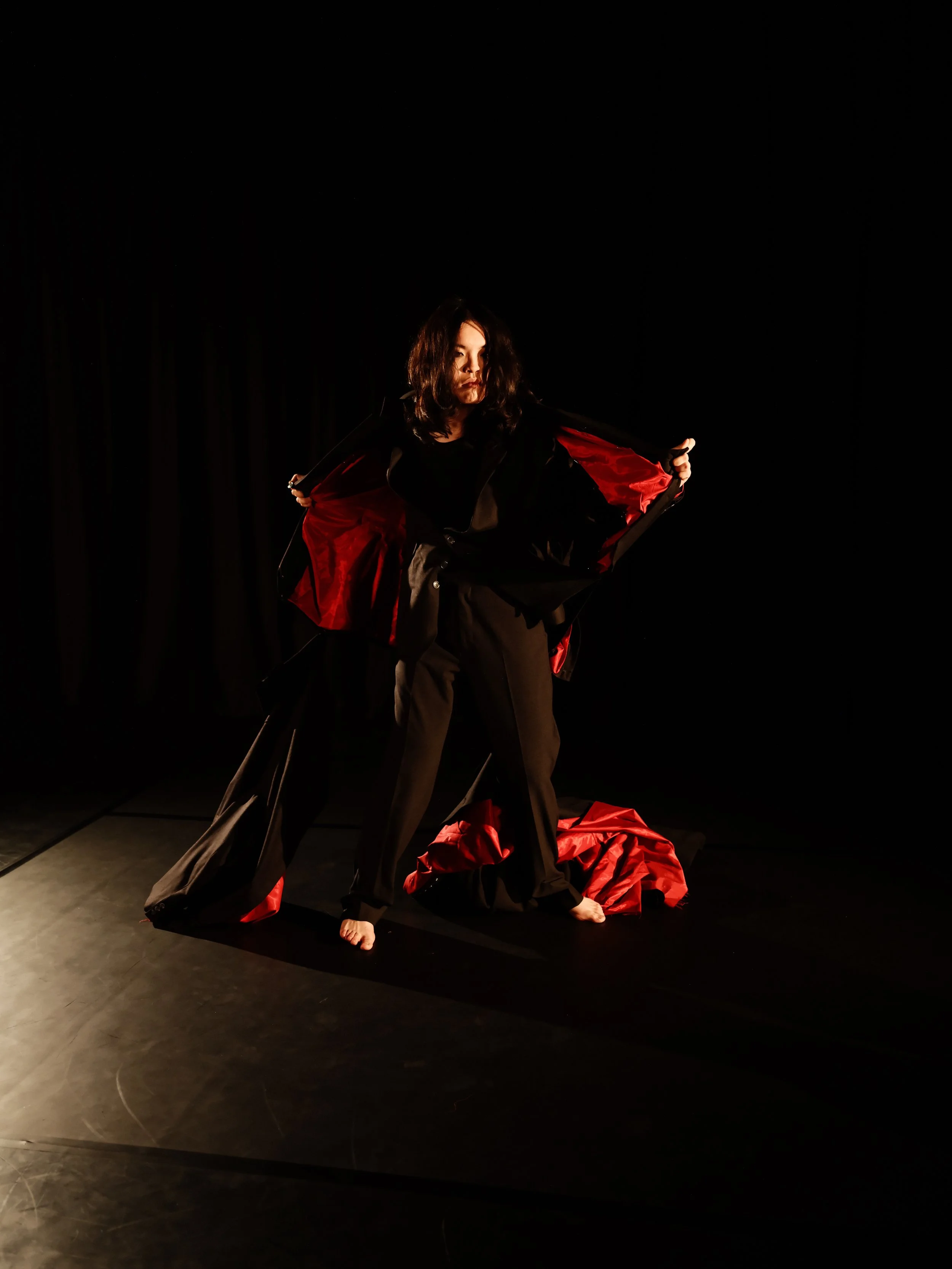
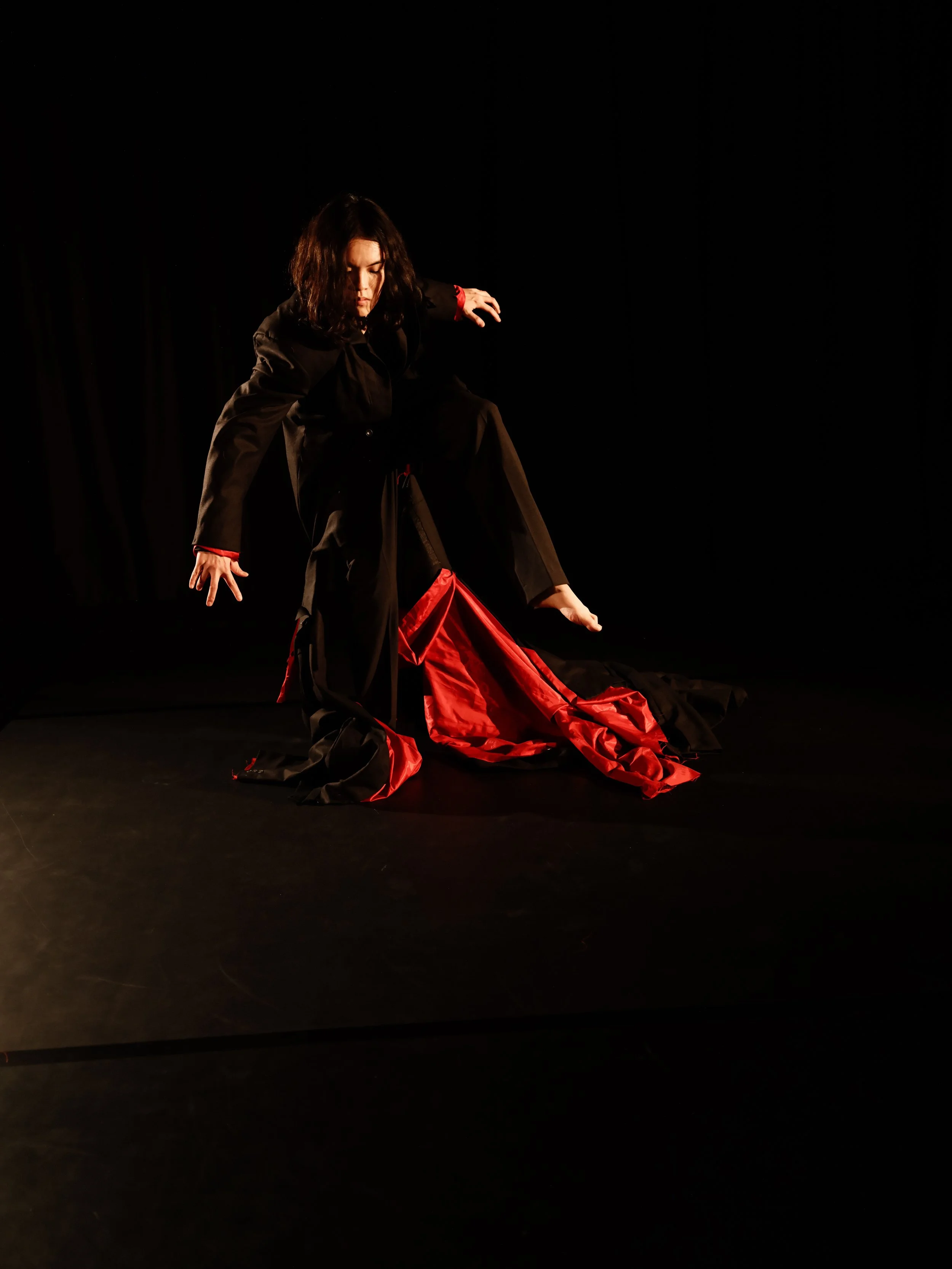
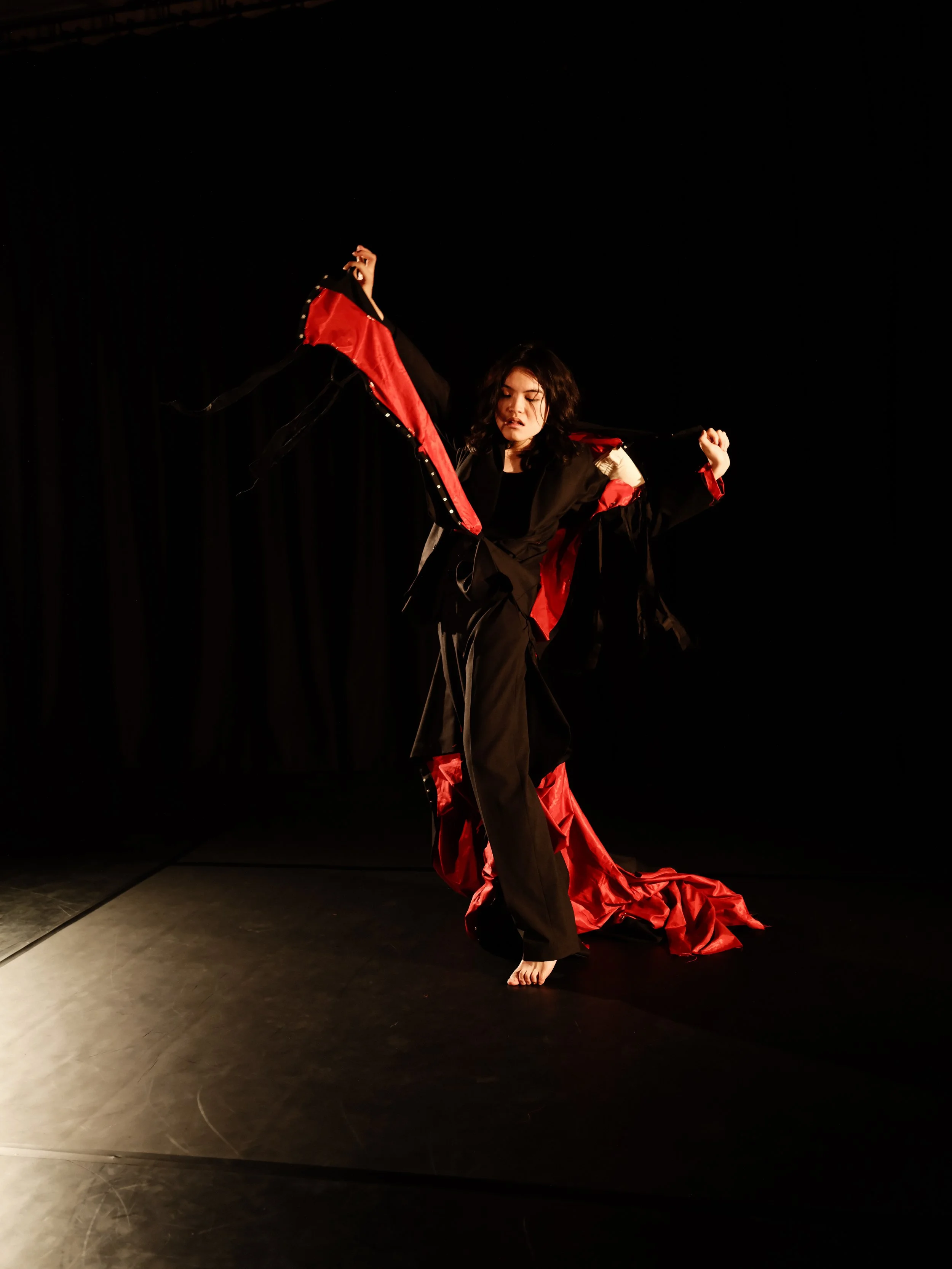
Set against this is the Prince's world, represented through fast fashion, its synthetic fibres and relentless overproduction a metaphor for colonial exploitation. The threads connecting the two worlds are both literal and thematic, from the folkloric cotton nymphs to Jezibaba's spider silk. As the Prince unravels emotionally, so does his costume. The Foreign Princess embodies the destination of that excess, the mountains of discarded clothing waste exported to the Global South under the guise of charity.
Rusalka sits at the intersection of these two worlds, neither fully nature nor human, and it is in that threshold space that the production finds its meaning.